Which Permits And Zoning Rules Apply Before Building A Garden Studio?
A calm orientation to the approvals that shape what you may build and where.
Before building a garden studio, confirm zoning, setback limits, and permit requirements, since these shape its size, height, placement, and use. Permits often depend on the structure's size and whether services are involved, though small simple builds may be exempt. Rules vary widely, so verify the specifics with your local authority before designing.
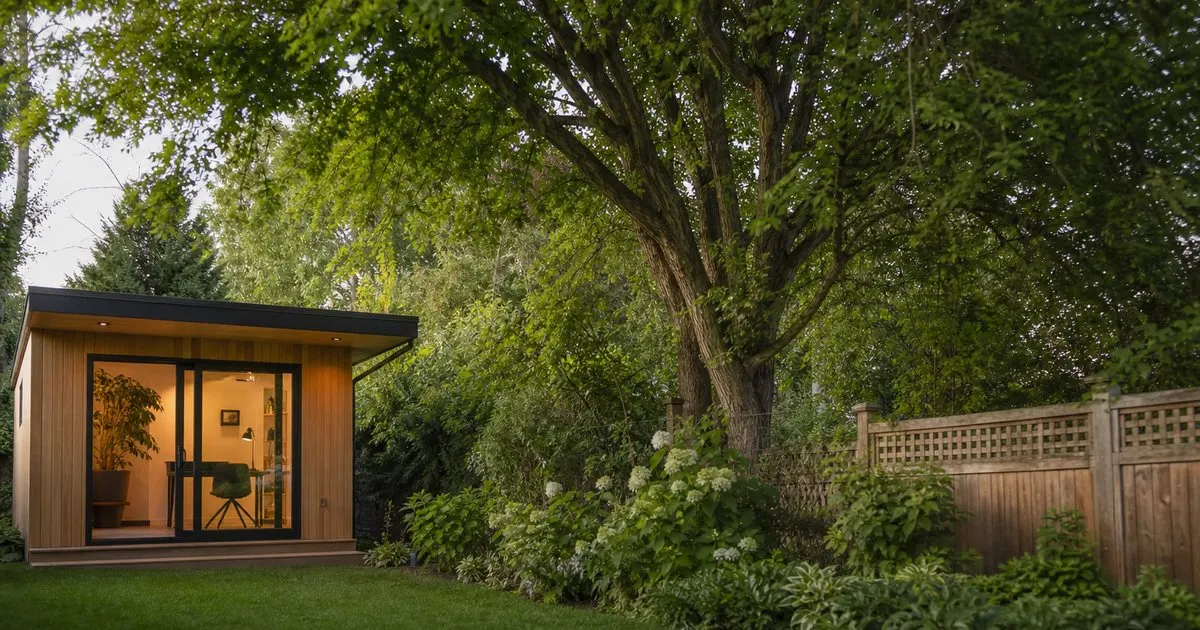
Why rules must come first
Permits, zoning, and setbacks determine the size, height, and placement of a studio before any design decision. Confirming them first prevents redesigns and protects the value of the finished building. Related: Are Backyard Studios A Sound Investment For Your Property's Resale Value?
Building without checking risks fines, forced changes, or trouble at resale. The rules are the frame within which a successful project is planned.
Keep reading: How Do You Choose A Backyard Studio That Works Year Round?, What Separates A Real Garden Office From A Decorated Backyard Shed?, Why Does Insulation Decide Whether A Studio Feels Like An Office?. See how Studioshedr helps you a curated guide to premium garden offices and studios.
Zoning and setbacks
Zoning defines what structures are allowed on your property and how they may be used, while setbacks dictate how far from boundaries a studio must sit. Together they shape the footprint and position. Related: Should Your Backyard Studio Prioritize Footprint Or Quality Of Construction?
These limits vary widely by locality. Understanding them early lets you design a studio that fits both your needs and the space the rules permit. Related: Why Does Roof Design Matter More Than Siding When Choosing A Premium Garden Studio?
Permit thresholds and exemptions
Many jurisdictions require a permit above a certain size or when services like electrical and plumbing are involved, though small, simple structures sometimes qualify for exemptions.
Knowing where your project falls, exempt or permitted, guides the design and timeline. It is far easier to plan within the rules than to seek forgiveness afterward.
Confirming with local authorities
Because rules differ so much from place to place, the reliable path is to confirm requirements with your local authority before designing or ordering anything.
This guide is independent and educational, not legal advice. Treat it as a starting point, and verify the specifics for your address with the officials who administer them.
- Rules shape size, height, and placement first
- Zoning and setbacks define footprint and position
- Permits often depend on size and services
- Confirm specifics with your local authority

Julien Jimenez
Julien Jimenez is an independent software builder based in Paris. He designs, ships, and operates focused SaaS products for small businesses and independent professionals. Read the full author page.
Frequently asked questions
Do all backyard studios require a permit?
No. Small, simple structures sometimes qualify for exemptions, while larger ones or those with electrical and plumbing usually need permits. Because thresholds vary by locality, confirm your situation with the local authority.
What are setbacks and why do they matter?
Setbacks are required minimum distances from property boundaries. They dictate where a studio can sit, shaping its placement and sometimes its size, so they must be checked before finalizing any design.
Room To Think, Steps Away
A curated guide to premium garden offices and studios. Studioshedr is built to help you put this into practice.
Explore studiosMore from the Studioshedr blog
How Do You Choose A Backyard Studio That Works Year Round?
What Separates A Real Garden Office From A Decorated Backyard Shed?
Why Does Insulation Decide Whether A Studio Feels Like An Office?
Get the complete backyard studios and offices guide
Our full buying guide, the price guide, and new research as we publish it. One email, no spam, unsubscribe any time.