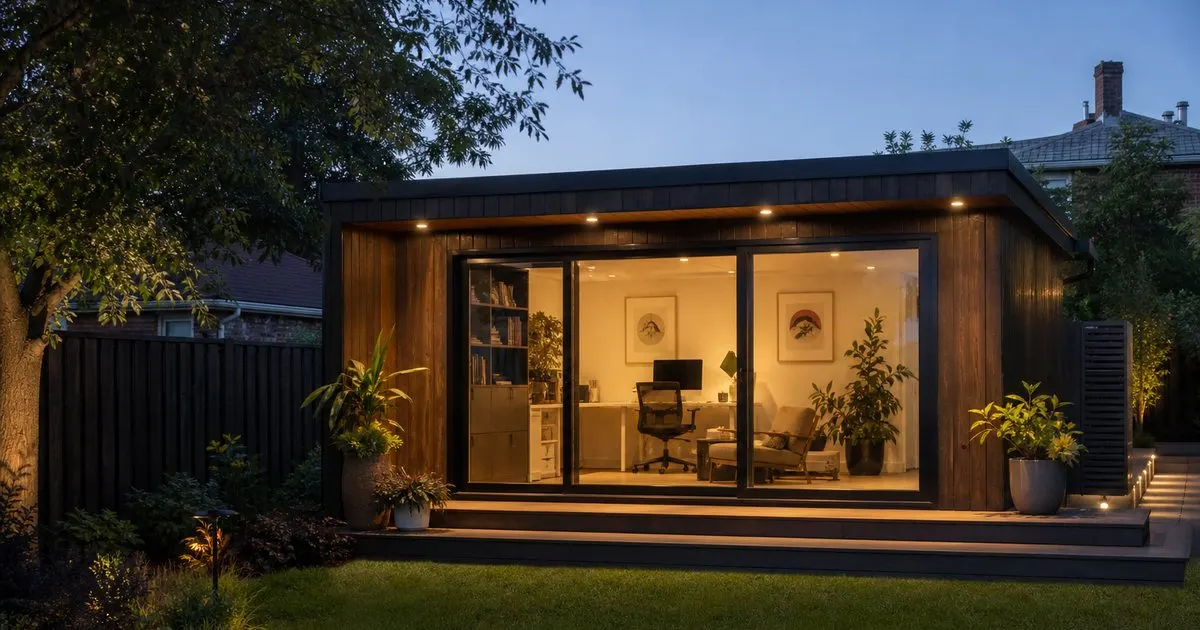
Backyard Studios and Offices
How Do You Choose A Backyard Studio That Works Year Round?
The building envelope and services that turn a garden structure into a real workspace.
Practical, honest advice from the team behind Studioshedr, written to help you do this well.
The building envelope and services that turn a garden structure into a real workspace.
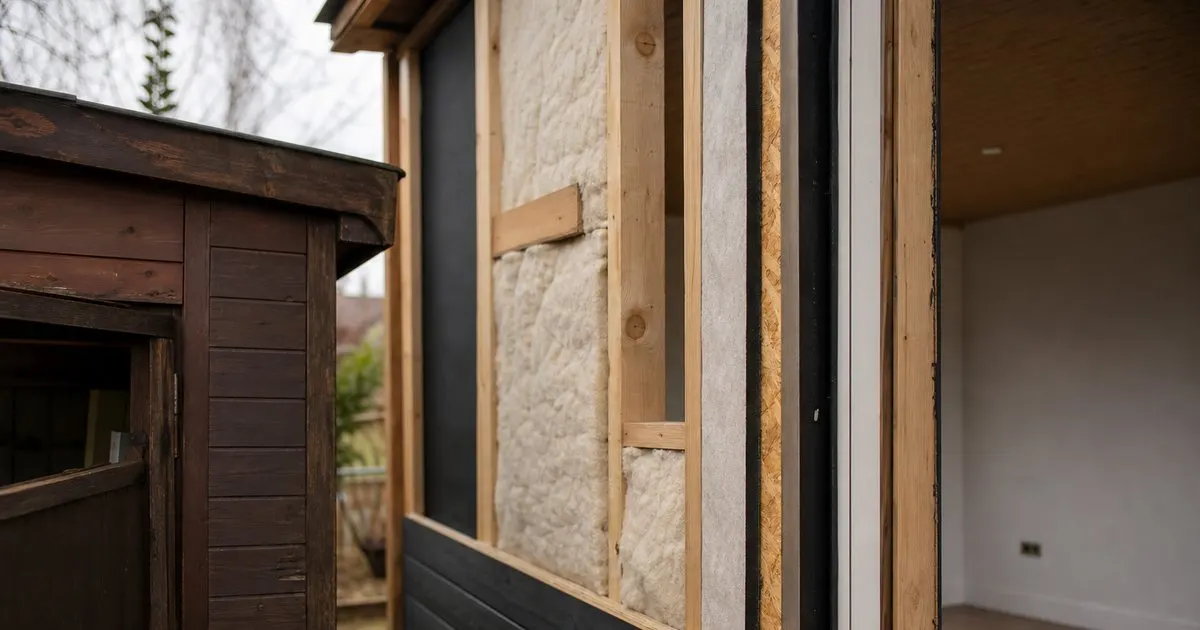
The construction realities beneath the surface that decide whether a studio truly works.
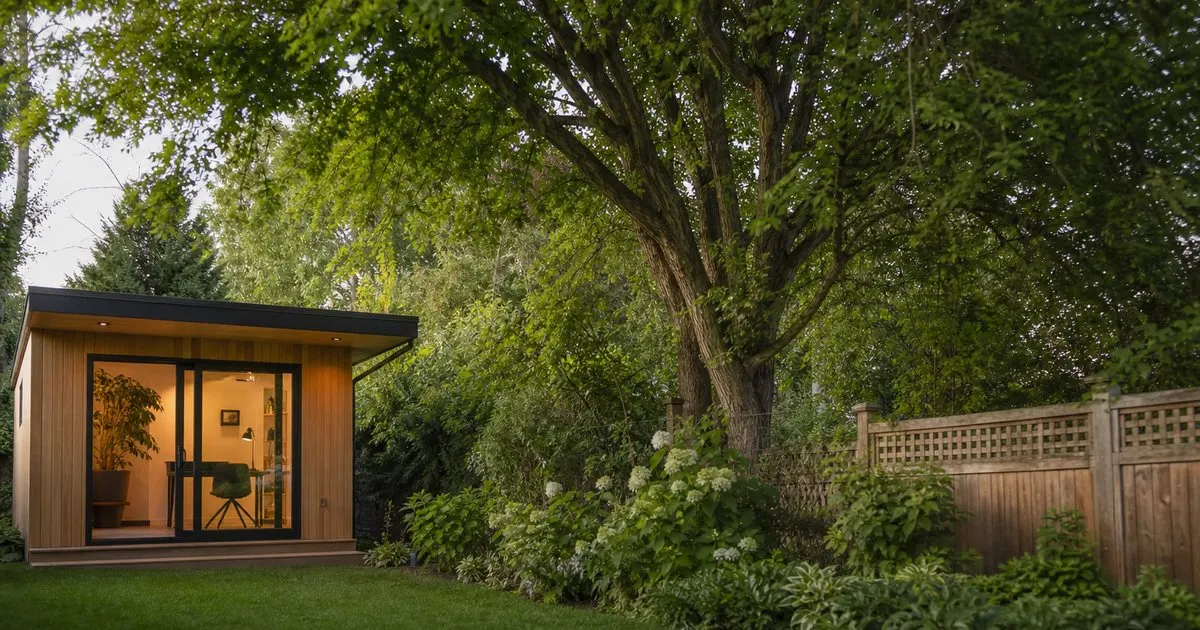
A calm orientation to the approvals that shape what you may build and where.
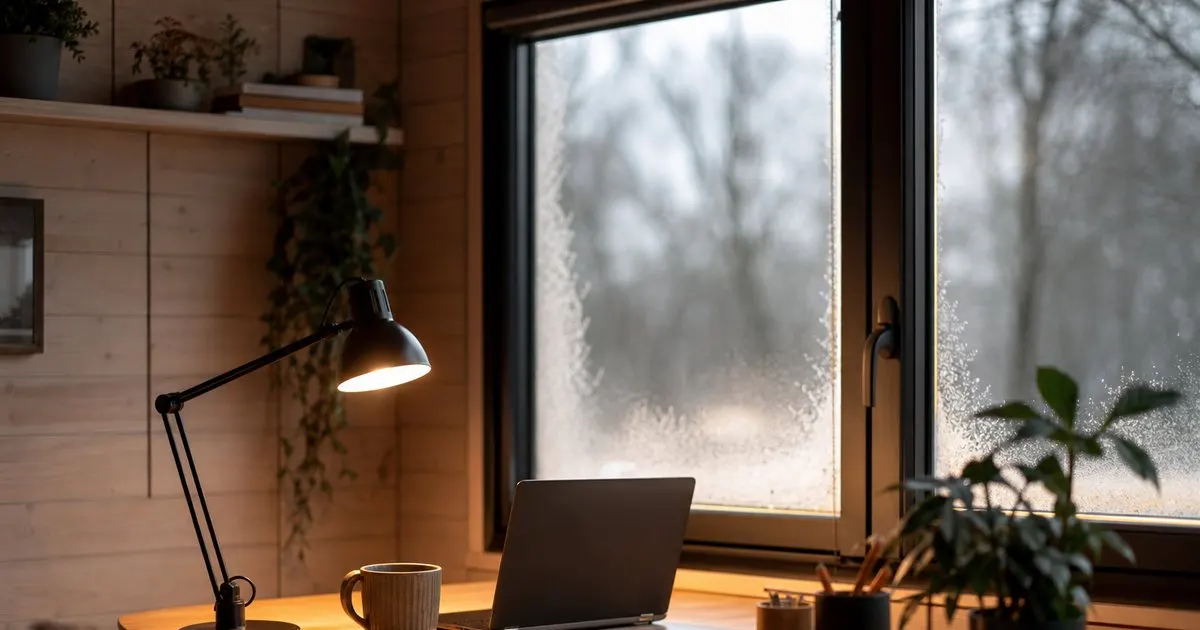
How the building envelope, unseen once finished, governs comfort in every season.
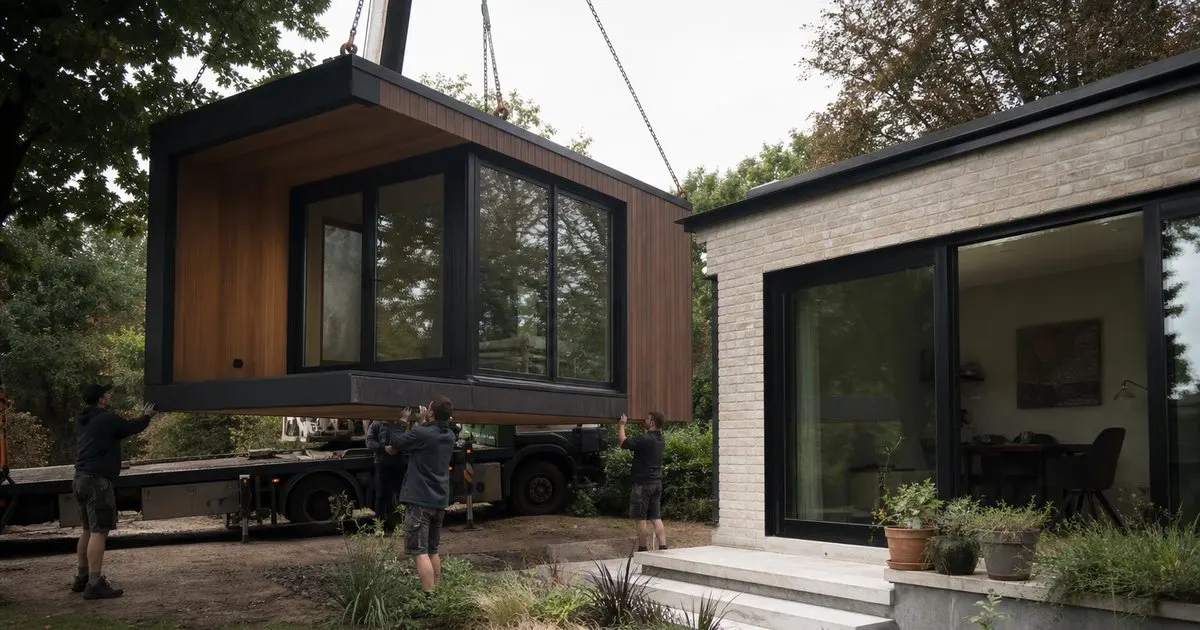
Weighing speed and predictable cost against a precise fit to your plot.
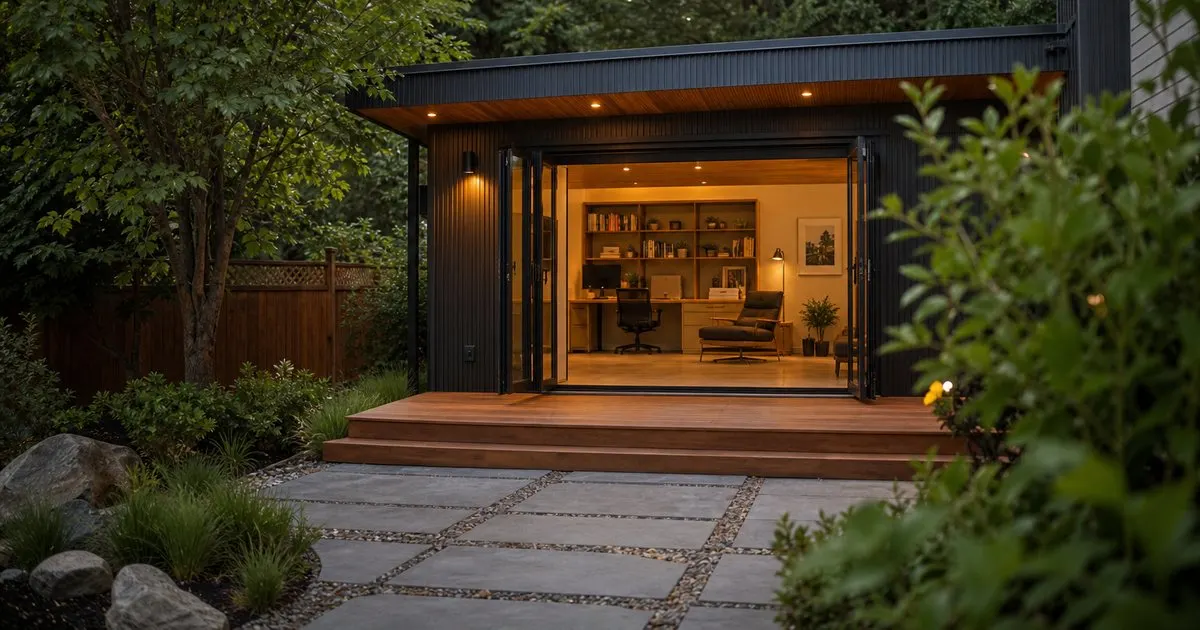
What lifts a garden studio from a personal indulgence to a genuine asset.
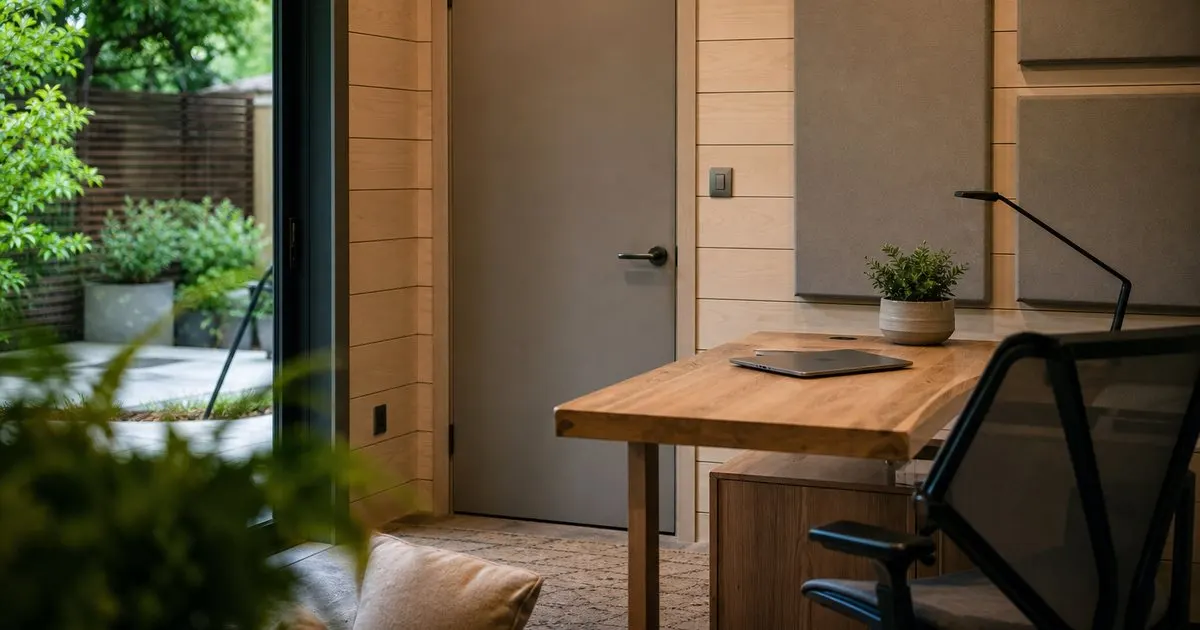
The acoustic choices that keep household and neighborhood noise at bay.
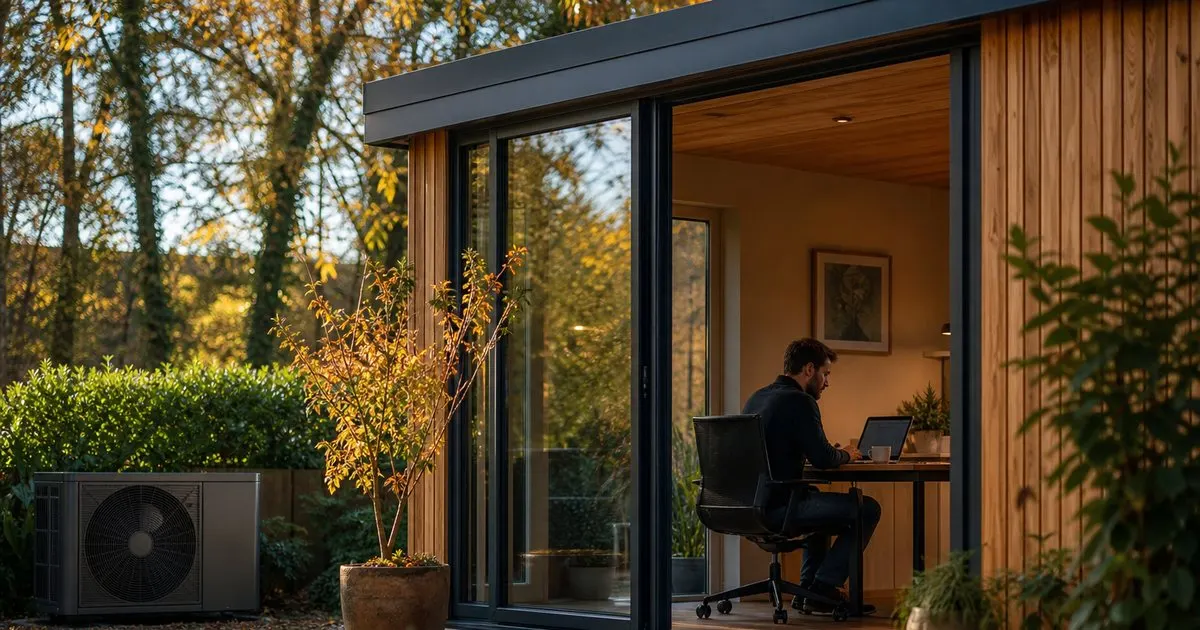
Why climate control, paired with a good envelope, makes a studio usable all year.
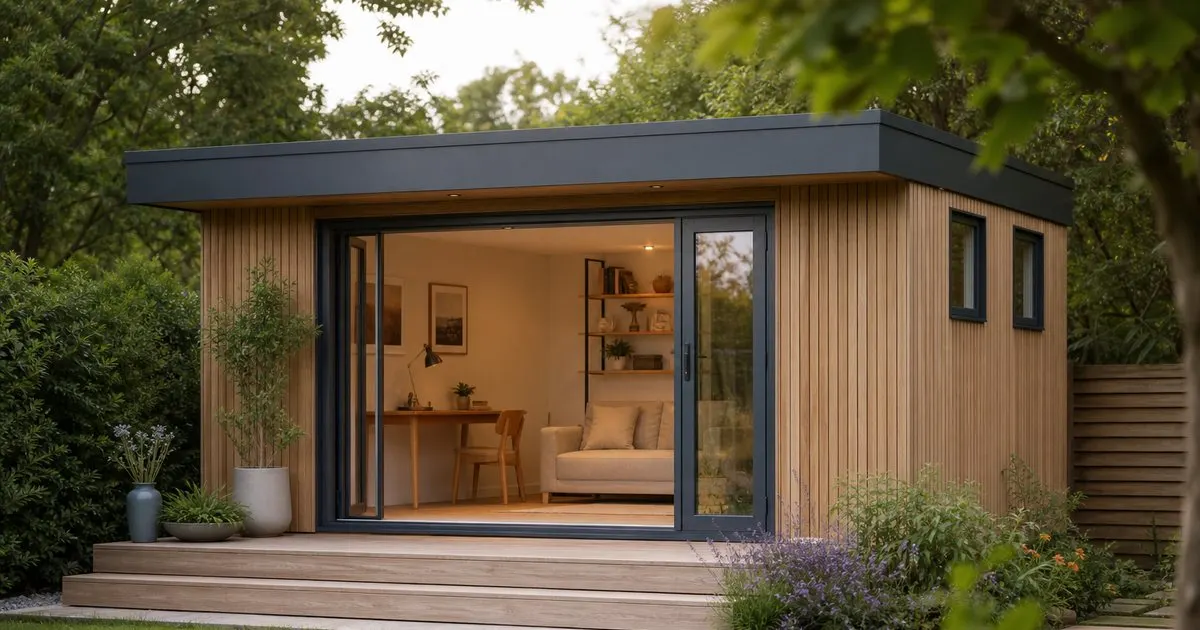
Why a smaller, better built studio usually serves you longer than a larger basic one.
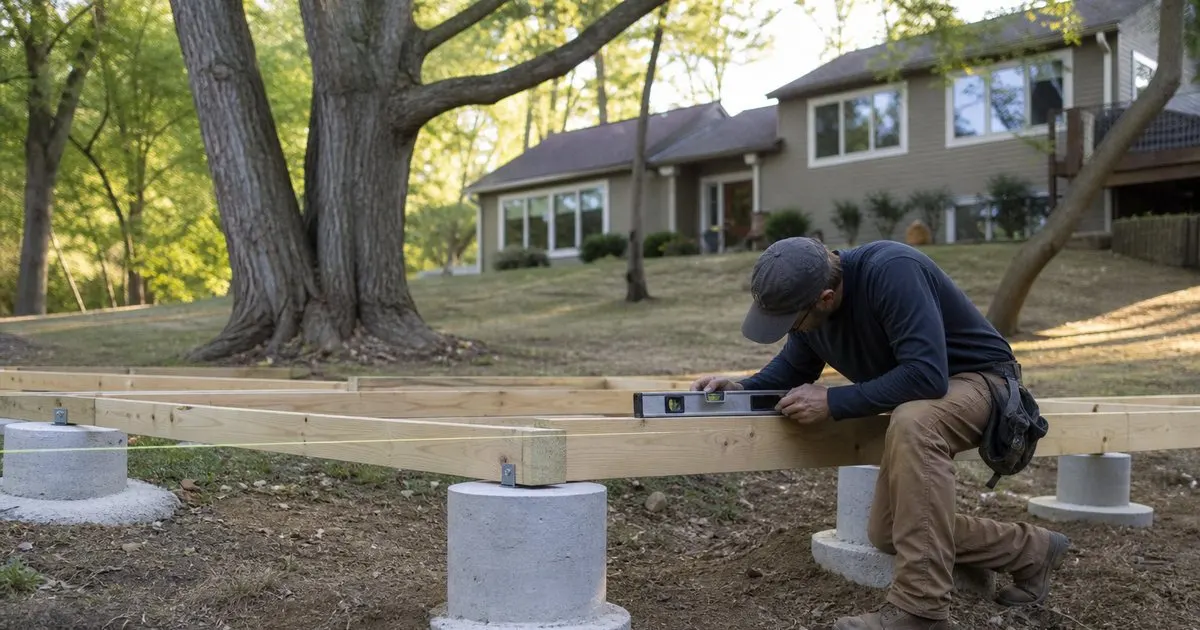
A sloped yard does not rule out a premium studio, but it does change which foundation makes sense and who should be designing it. Here is how slab, pier, and helical pile options compare when the ground refuses to be flat.
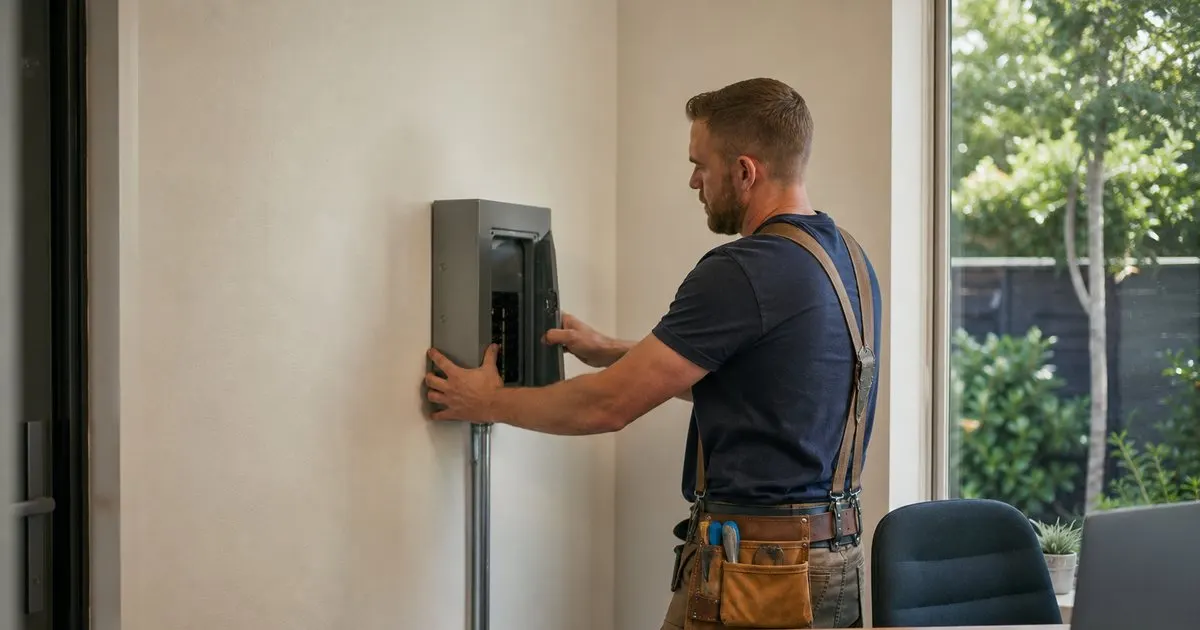
A laptop and a lamp need very little, but the moment you add heating, cooling, and a second monitor the arithmetic changes. This guide walks through what to plug in, how the feed should be sized, and the trench work that quietly drives the cost.
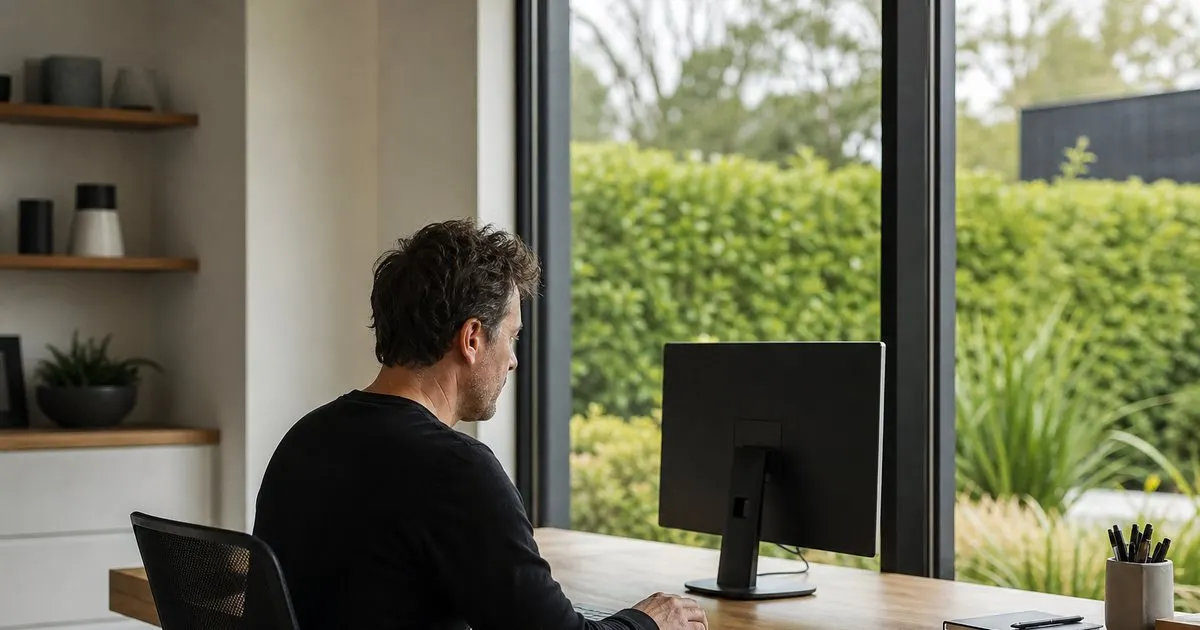
Daylight is the reason most people want a backyard office, and glare is the reason many of them end up closing the blinds. Orientation, glass coatings, overhangs, and desk position all decide which outcome you get.
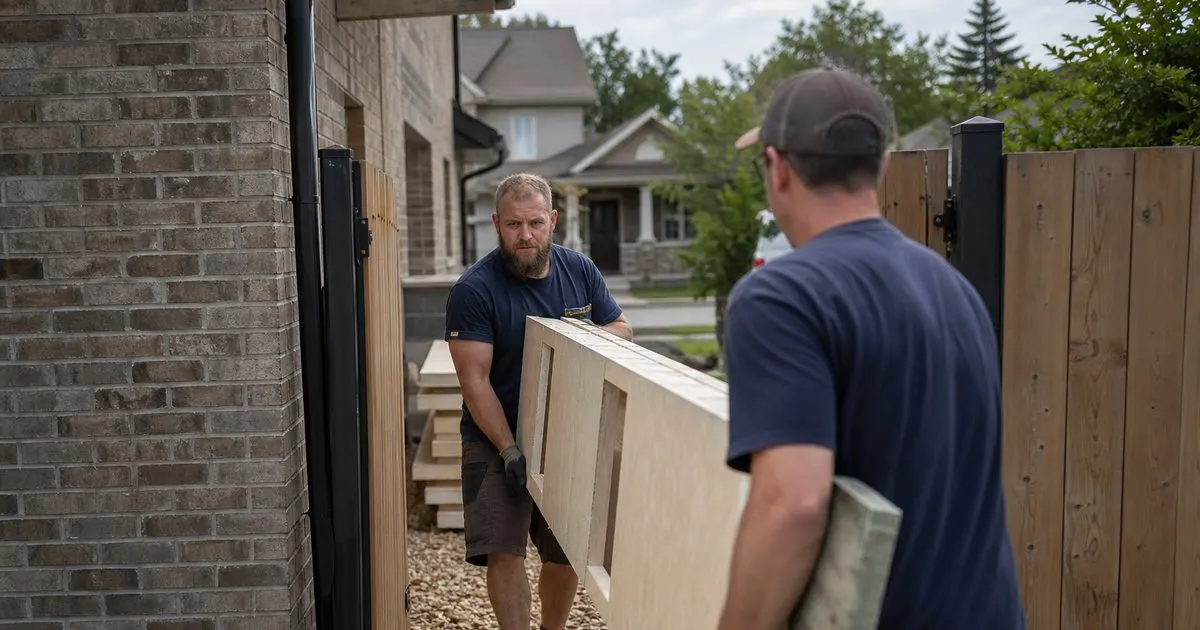
The most beautiful fully built studio is useless if it cannot reach the site. Narrow side yards, power lines, and mature trees rule out plenty of deliveries, but they do not rule out a premium studio if you plan around them.

A premium studio is a five figure purchase built on paperwork most buyers skim. Here is what to look for in the deposit schedule, the warranty exclusions, and the scope so the surprises happen before the money moves.
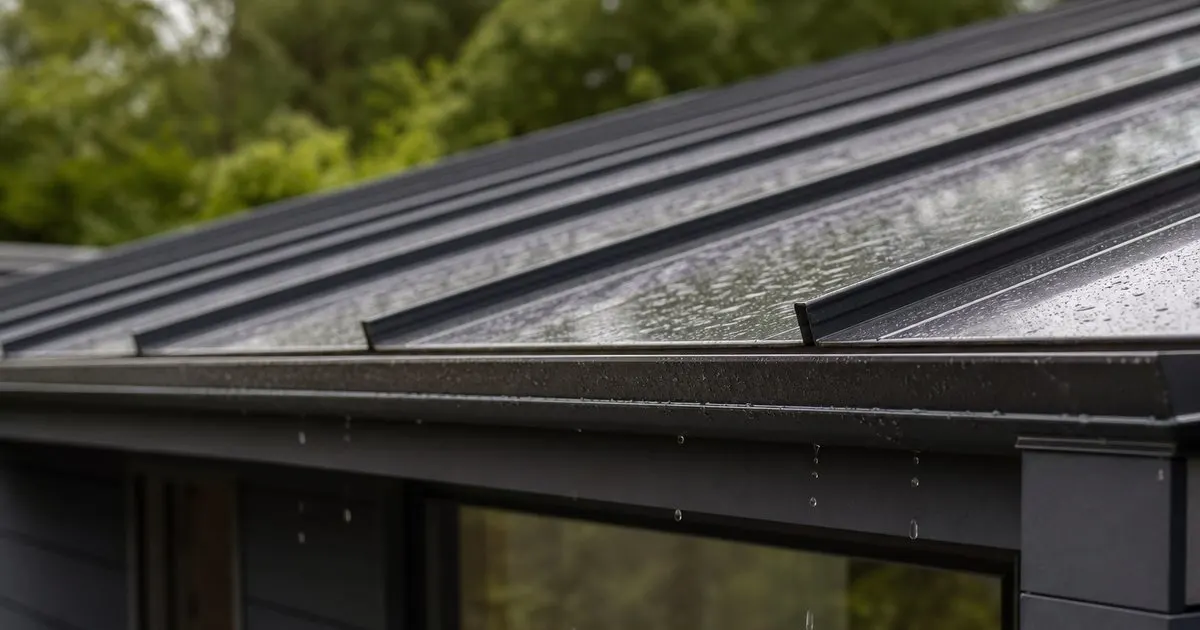
Buyers spend hours choosing between cedar and fiber cement and minutes thinking about the roof. That is backwards. The roof is what keeps water out, controls summer heat, and is the hardest part of the building to fix later.
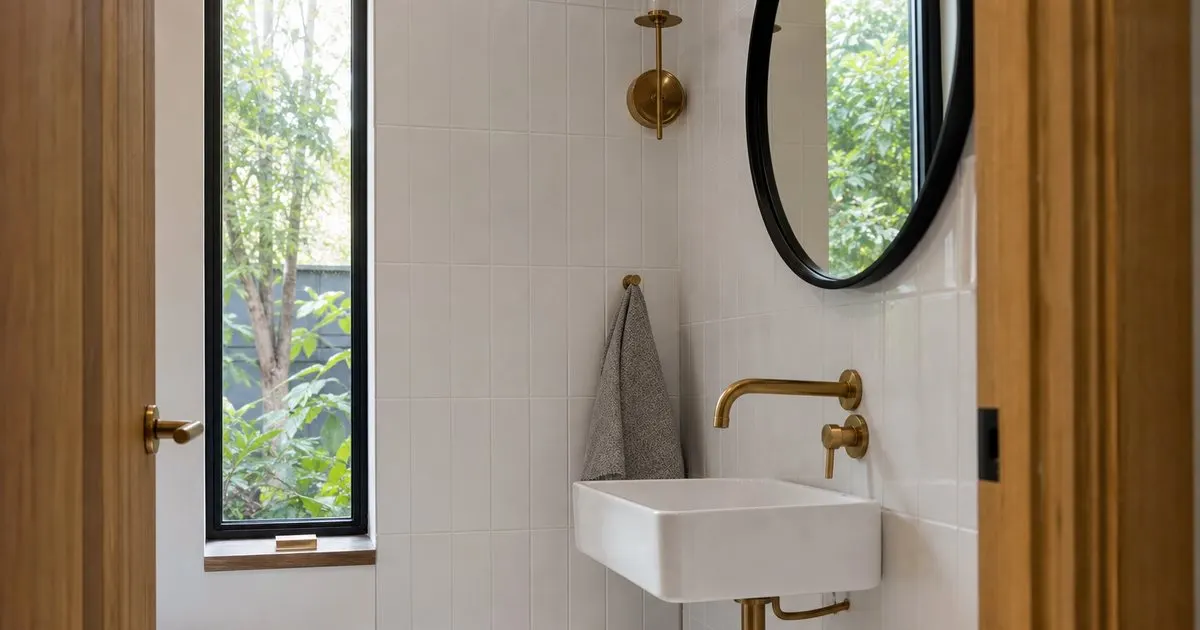
Plumbing is the upgrade that turns a garden office into a self-contained retreat, and also the one that most complicates permits, budget, and winter. Here is how to decide whether it earns its place in your project.
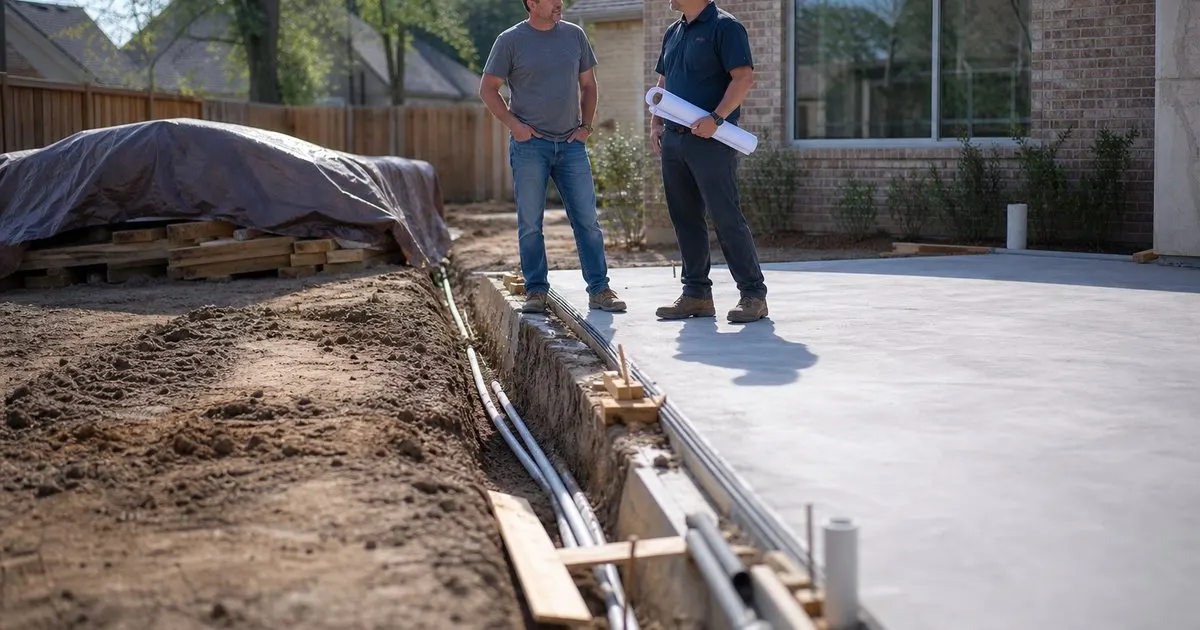
Brochures show a crane setting a finished studio in an afternoon. The real project has six or seven separate clocks, and the slowest ones are rarely the factory. Here is what the timeline actually looks like and how to shorten it.
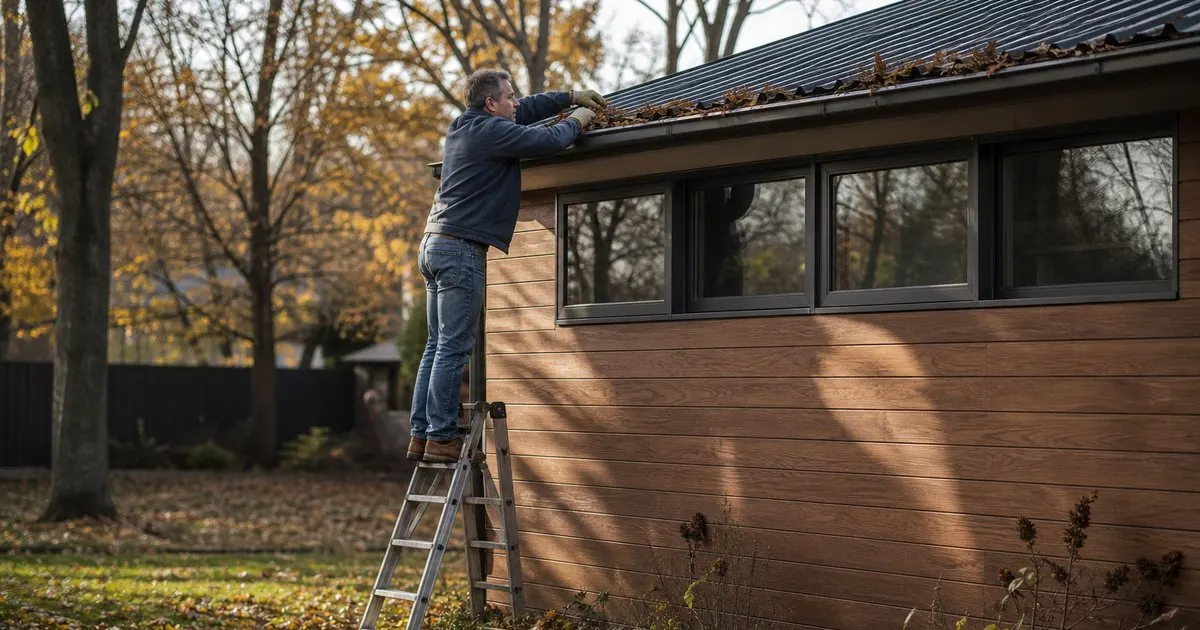
A well built garden studio asks very little, but the little it asks is seasonal and specific. This is the calendar of small tasks that keeps the cladding, roof, seals, and mechanical systems performing and the warranty intact.
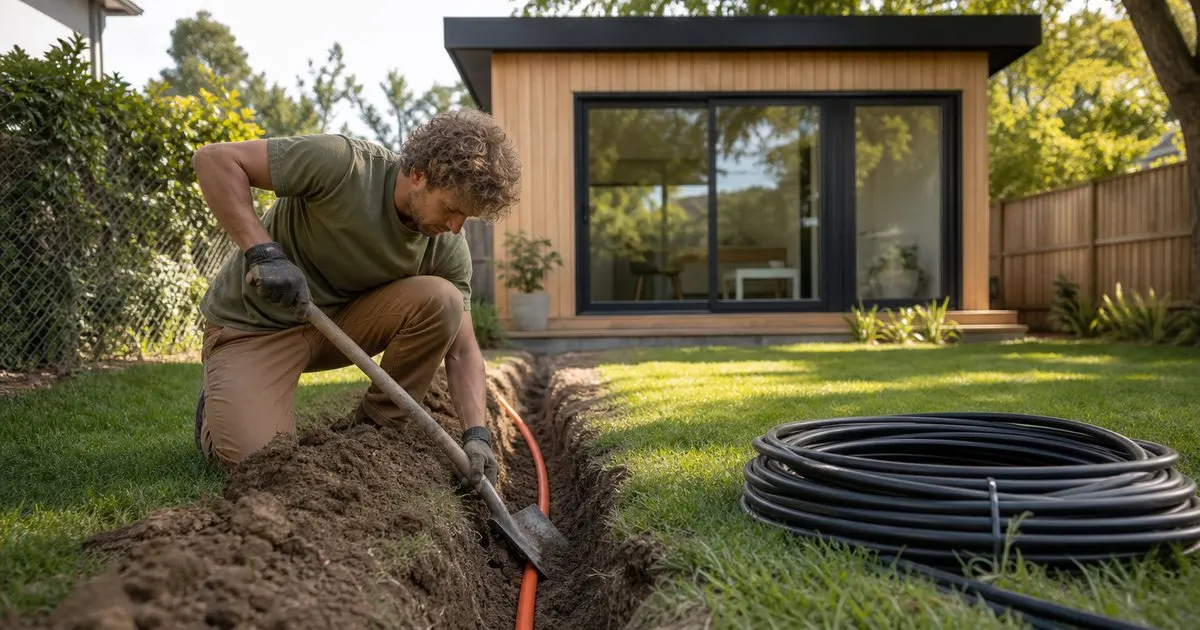
Wi-Fi that covers the kitchen rarely survives the trip across a lawn and through an insulated wall. Here is how to plan the network for a premium garden office before the trench closes.
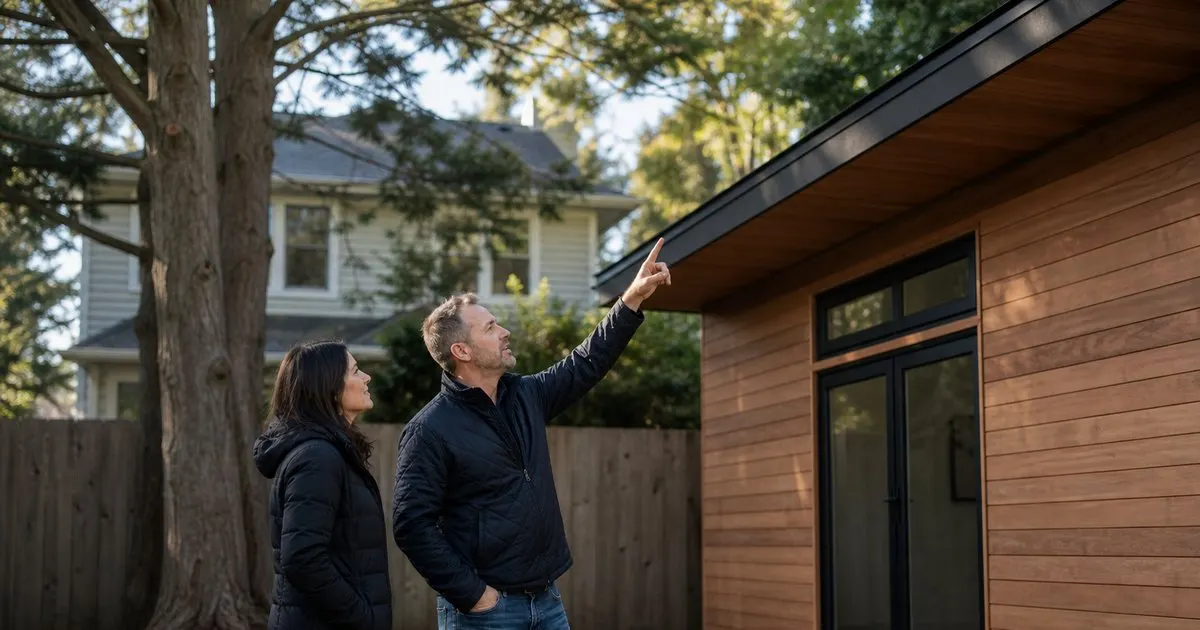
A five figure building in the yard quietly touches two bills most buyers never think about until after delivery. Here is what to ask your insurer and your assessor, and when to ask it.