How Long Does It Really Take From Deposit To A Finished Backyard Office?
Brochures show a crane setting a finished studio in an afternoon. The real project has six or seven separate clocks, and the slowest ones are rarely the factory. Here is what the timeline actually looks like and how to shorten it.
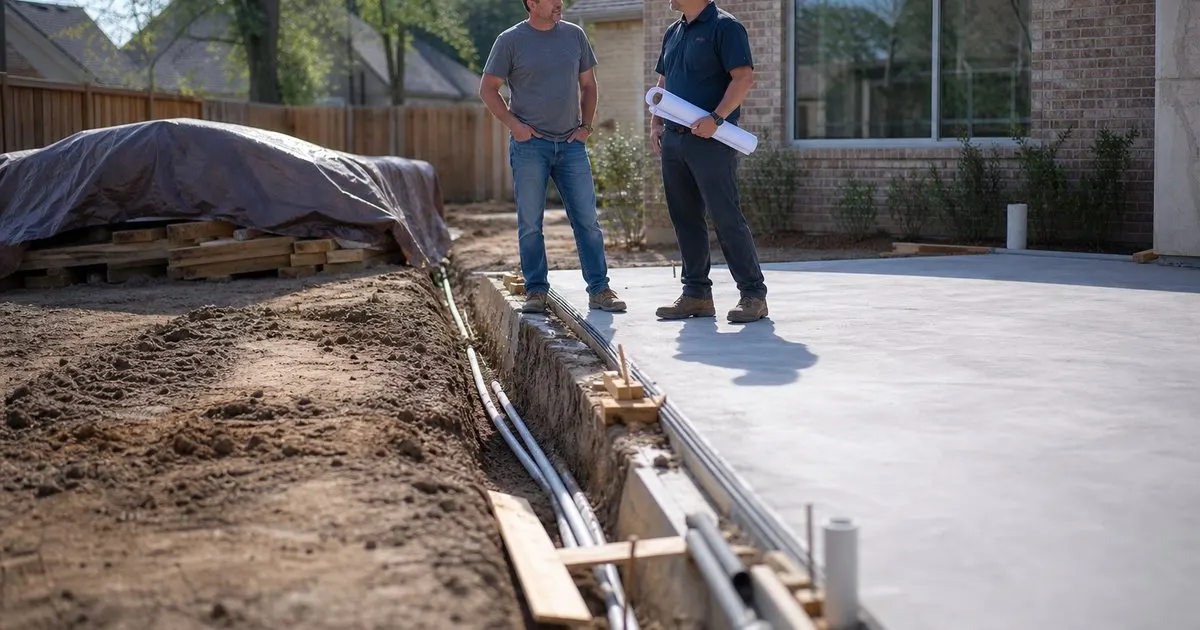
The phases nobody shows on the brochure
A backyard office project passes through a sequence of phases, each with its own schedule and its own people. Design and specification comes first, and for a premium studio with options for glazing, cladding, and interior finish it can take several weeks of back and forth. Permitting follows, or runs alongside, and depends on the local authority. Site preparation and foundation work must be complete and cured before delivery. The factory build itself happens on the vendor's production line according to a slot that was reserved with the deposit. Delivery and installation are the visible day. Then come the utility connections, interior finishing if the studio was not fully finished in the factory, and final inspections. Related: How Do You Choose A Backyard Studio That Works Year Round?
The important insight is that these phases do not all run in series and they are not all in the vendor's control. The factory build might take a few weeks once it starts, but the studio cannot be delivered until the foundation is ready, the foundation cannot be poured until the permit is issued, and the permit cannot be issued until drawings are submitted. Meanwhile the electrician has a schedule of their own. Vendors who quote a lead time are usually describing only their own portion, which is why the overall timeline is so often longer than buyers expect. Realistic total durations for a permitted, premium studio typically run from a few months to the better part of a year, with the wide range explained almost entirely by permits and site work. Related: Which Permits And Zoning Rules Apply Before Building A Garden Studio?
Keep reading: How Do You Choose A Backyard Studio That Works Year Round?, What Separates A Real Garden Office From A Decorated Backyard Shed?, Which Permits And Zoning Rules Apply Before Building A Garden Studio?. See how Studioshedr helps you a curated guide to premium garden offices and studios.
Permits and site work usually take longer than the build
Permit review times vary from days in some small jurisdictions to months in busy urban departments, and they often involve at least one round of comments and resubmission. Any project that needs a variance, a design review, a historic district approval, or a homeowners' association sign-off adds weeks or months on top. This is the single largest source of schedule uncertainty in most projects and the one buyers have the least control over, which is why the smartest move is to submit early with complete drawings rather than waiting until the studio is in production.
Site work is the second source of delay. A foundation contractor may not be available for several weeks; concrete needs curing time before it can carry the studio; utility locates have to be scheduled before anyone digs; and weather can stop excavation for days at a time. An electrician's trench and feeder often share the same window and the same obstacles. If the site needs a retaining wall, tree removal, or a new gate, those are separate trades with separate schedules. A buyer who lines up the foundation and electrical contractors at the same time as the studio order, rather than after the delivery date is set, will save more time than any amount of pressure on the factory.
Factory lead times and the delivery window
Factory lead time is the interval between confirming the order and the studio being ready to ship, and it depends on the vendor's backlog, the degree of customization, and the season. Spring and early summer are the busy months for most builders, because everyone wants a studio before the good weather, so a deposit placed in late winter may sit in a queue while one placed in autumn moves faster. Stock configurations with standard finishes generally move through faster than custom layouts. Ask for a written production slot with a target completion date rather than a general estimate, and ask what happens to that slot if your permit or foundation is late.
Delivery has its own scheduling. A crane, a flatbed carrier, and the vendor's install crew all have to align on a single day, and in some areas that means booking weeks ahead. Delivery windows can also be affected by the weather, by the trucking company's routing, and by whether the vendor consolidates deliveries by region. A completed studio sitting in the factory waiting for a delivery date is frustrating but common, and some vendors charge storage if your site is not ready when the studio is. Confirm the storage policy and the notice period for scheduling delivery before the deposit, so that a delay on your side does not become an unexpected invoice. Related: Why Does Insulation Decide Whether A Studio Feels Like An Office?
How to compress the schedule without cutting corners
The largest gains come from running things in parallel. Submit the permit application as soon as the vendor can provide stamped drawings, which is often before the deposit is fully committed. Book the foundation and electrical contractors for a window that lets their work finish with a comfortable margin before the earliest delivery date, and have the utility locate done at the same time. Choose a stock configuration if the custom options are not important to you, since each custom decision adds design time before production and often adds queue time at the factory. Keep the site clear: a gate that has to be removed or a tree that has to come down should be done before the crane is scheduled, not that morning.
Then protect the finish. Compressing the schedule should never mean paying the final installment before the punch list is complete or skipping the final inspection because the studio looks done. A short walkthrough with the installer, a written list of any defects, and a reasonable period for them to be corrected is standard, and a vendor who resists it is telling you something. Build a buffer into your own expectations too. If the office is needed for a specific date, plan for delivery a month or two earlier than the vendor's estimate. Studios that arrive early are a pleasant surprise; studios that arrive after the deadline are a source of real stress, and the difference is usually in the planning, not in the factory. Related: What Separates A Real Garden Office From A Decorated Backyard Shed?
- A premium studio project has design, permit, site work, factory build, delivery, utilities, and inspection phases, and the vendor's quoted lead time usually covers only one of them.
- Permit review and site preparation are the biggest sources of delay and the ones most within your control to start early.
- Factory lead times depend on backlog, customization, and season, so ask for a written production slot and understand the storage policy if your site is late.
- Run permits, foundation, and electrical in parallel with the factory build, favor stock configurations, and never trade the punch list or final inspection for a faster finish.

Julien Jimenez
Julien Jimenez is an independent software builder based in Paris. He designs, ships, and operates focused SaaS products for small businesses and independent professionals. Read the full author page.
Room To Think, Steps Away
A curated guide to premium garden offices and studios. Studioshedr is built to help you put this into practice.
Explore studiosMore from the Studioshedr blog
How Do You Choose A Backyard Studio That Works Year Round?
What Separates A Real Garden Office From A Decorated Backyard Shed?
Which Permits And Zoning Rules Apply Before Building A Garden Studio?
Get the complete backyard studios and offices guide
Our full buying guide, the price guide, and new research as we publish it. One email, no spam, unsubscribe any time.