Which Window Placement And Glazing Choices Keep A Garden Studio Bright Without Glare?
Daylight is the reason most people want a backyard office, and glare is the reason many of them end up closing the blinds. Orientation, glass coatings, overhangs, and desk position all decide which outcome you get.
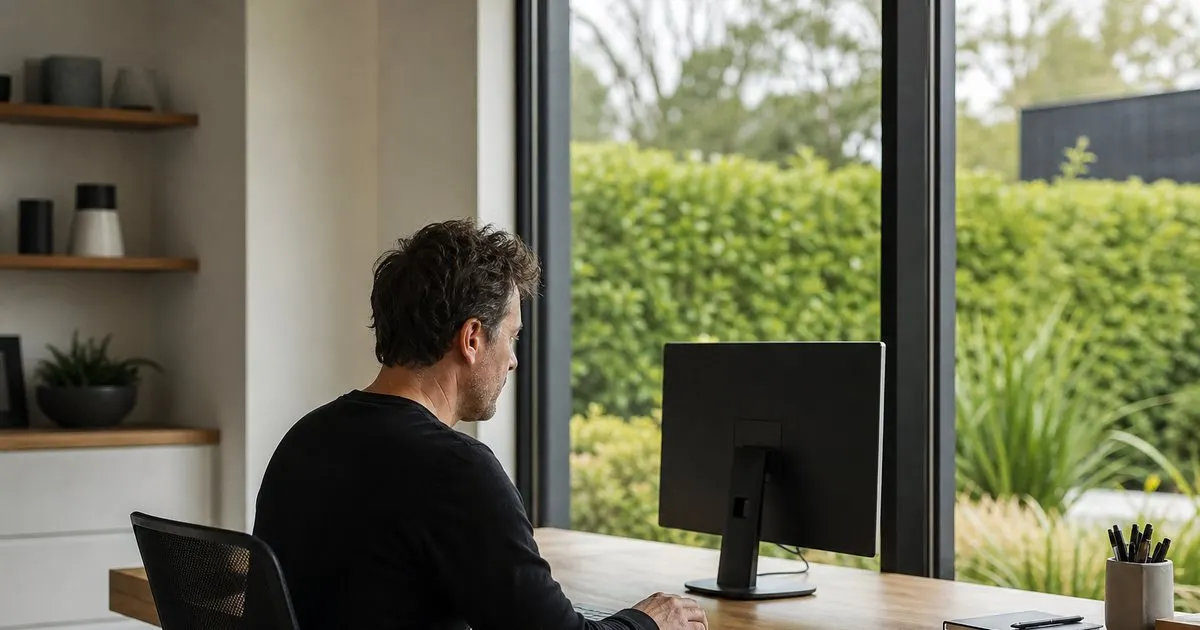
Orientation decides more than window size
The direction a window faces sets the character of the light before any product decision is made. In the northern hemisphere, north-facing glass delivers soft, even light all day with almost no direct sun, which is why artists and photographers have prized north light for centuries and why it is nearly ideal for screen work. South-facing glass brings strong light and useful winter heat but needs shading in summer. East glass gives bright, cool morning sun that fades by midday. West glass is the difficult one: low, hot afternoon sun that arrives exactly when most people are still working and lands directly on screens and faces.
This is why the placement conversation should happen before the studio is ordered, not after it arrives. Many prefab designs put the largest glass on one elevation and assume the owner will orient the building to suit the view. If that view happens to be west, the studio will be beautiful at sunset and miserable at three in the afternoon. A better approach is to decide where the desk will sit, then place the primary glazing so light arrives from the side of the screen rather than behind or in front of it. Smaller windows on the sunny elevations and generous glass on the north or east side usually give a brighter, calmer room than one enormous wall of glass pointed at the garden. Related: How Do You Choose A Backyard Studio That Works Year Round?
Keep reading: How Do You Choose A Backyard Studio That Works Year Round?, What Separates A Real Garden Office From A Decorated Backyard Shed?, Which Permits And Zoning Rules Apply Before Building A Garden Studio?. See how Studioshedr helps you a curated guide to premium garden offices and studios.
Glazing specifications that actually matter
Two numbers on a window label do most of the work. The U-factor describes how readily heat moves through the assembly, with lower being better, and it matters most in cold climates where a poorly insulated window becomes a cold radiator next to the desk. The solar heat gain coefficient describes how much of the sun's heat passes through the glass, and the right value depends on orientation. On south and west elevations in most of the country you want a low solar gain coating to keep the room from overheating. On north glass the coefficient barely matters and a clearer glass gives better color and brightness.
Low-e coatings are what deliver those numbers, and they come in variations tuned for different climates, so a window that performs well in a cold northern state may be the wrong choice in the desert Southwest. Double pane glass is the baseline for a premium studio; triple pane earns its cost in cold regions and in rooms where a large glazed wall would otherwise dominate the heating load. Laminated glass adds a modest acoustic benefit and is worth considering near a road. Tempered glass is required by code near doors and close to the floor, so expect it on any glazed door and on tall windows. Ask about warm edge spacers too, since they reduce condensation along the glass edge on winter mornings, which is where cheap windows first show their age. Related: Why Does Insulation Decide Whether A Studio Feels Like An Office?
Overhangs, shading, and the three o'clock test
Exterior shading beats interior blinds every time when the goal is comfort, because a blind stops glare only after the heat is already inside the room. A roof overhang sized for the site's latitude blocks the high summer sun while letting low winter sun reach the glass, which is the oldest passive design trick there is and still one of the most effective. Many premium studios have generous overhangs on the door elevation for exactly this reason. Where the design lacks one, a simple exterior shade, a pergola, or a deciduous tree on the west side can do the same job without touching the building.
Interior glare is a separate problem from heat, and it is where desk position matters most. A screen facing a bright window turns into a mirror; a screen with a bright window directly behind it forces your eyes to fight the contrast all day. Side lighting is the answer, ideally with the window slightly behind and to the side of the monitor. Clerestory windows, set high on the wall, are underrated in studios because they flood the ceiling with light without putting a bright rectangle in anyone's sightline. Before finalizing a layout, stand in the yard at three in the afternoon where the desk will go and look at where the sun actually lands. That ten minutes will tell you more than any specification sheet. Related: What Should A Homeowner Do When The Backyard Has No Access For A Crane Or Truck?
Doors, sliders, and the seduction of the glass wall
Full-height glazed walls sell studios. They photograph beautifully and they make a small room feel connected to the garden. They also bring the most heat, the most glare, the least privacy, and the highest cost per square foot of any part of the envelope. A glass wall facing a neighbor's fence is a lot of money for a view of a fence. When the glazed elevation is on the north side and looks at something worth seeing, it can be the best decision in the whole project. When it is on the west and looks at the side of the garage, a smaller window and a proper wall will make a better office. Related: What Separates A Real Garden Office From A Decorated Backyard Shed?
Frame material is the other quiet variable. Thermally broken aluminum gives the slimmest sightlines and holds up well, but the thermal break has to be real, not cosmetic. Fiberglass and wood-clad frames insulate better and suit cold climates. Vinyl is economical but can look out of place on a premium build and moves more with temperature. Whatever the frame, the installation is what keeps water and air out, so flashing details, sill pans, and the sealant joint between frame and cladding deserve as much scrutiny as the glass. A slider that is beautifully specified but poorly flashed will leak within a few seasons, and the window warranty almost never covers installation.
- Orient the main glazing to the north or east where possible and keep west-facing glass small to avoid hot, low afternoon sun on screens.
- Read the U-factor and solar heat gain coefficient on the label and match the low-e coating to both the climate and the elevation.
- Roof overhangs and exterior shading control heat; desk position and side lighting control glare, and clerestories deliver light without either problem.
- A glass wall is only worth its cost when it faces a view worth seeing and a direction that will not overheat the room, and its installation matters as much as its specification.

Julien Jimenez
Julien Jimenez is an independent software builder based in Paris. He designs, ships, and operates focused SaaS products for small businesses and independent professionals. Read the full author page.
Room To Think, Steps Away
A curated guide to premium garden offices and studios. Studioshedr is built to help you put this into practice.
Explore studiosMore from the Studioshedr blog
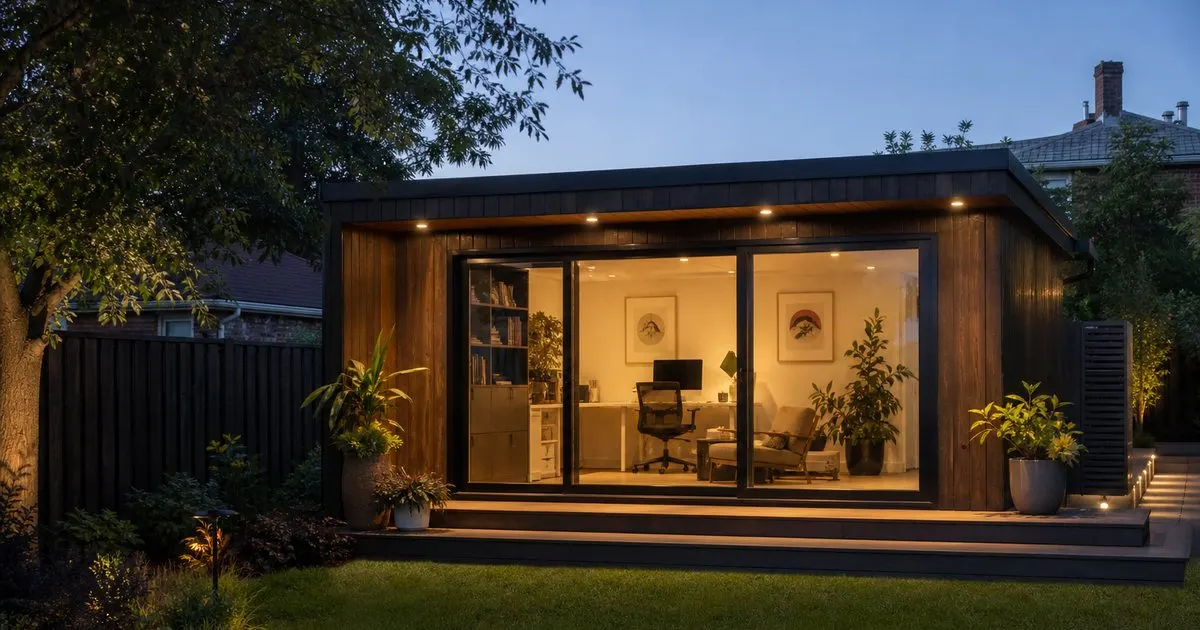
How Do You Choose A Backyard Studio That Works Year Round?
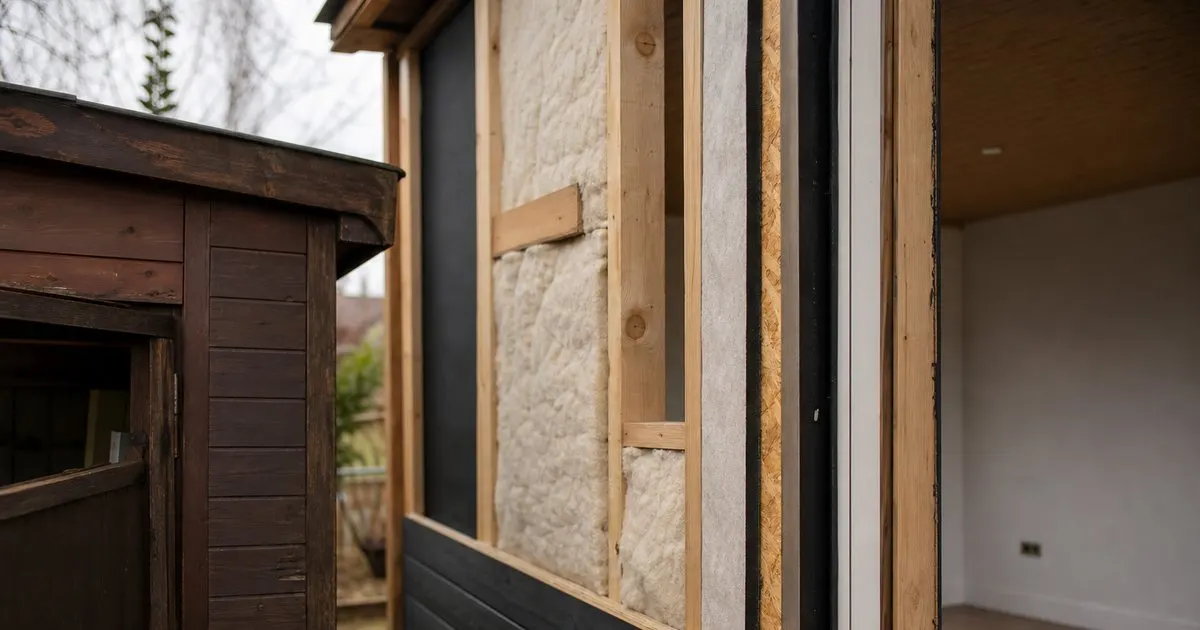
What Separates A Real Garden Office From A Decorated Backyard Shed?
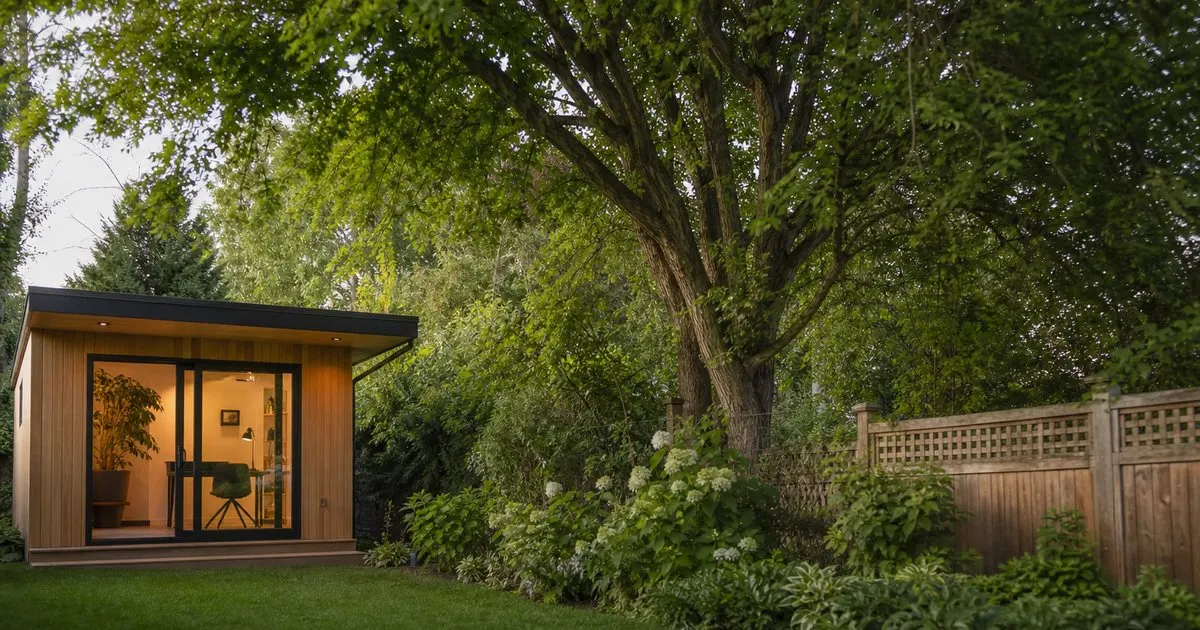
Which Permits And Zoning Rules Apply Before Building A Garden Studio?
Get the complete backyard studios and offices guide
Our full buying guide, the price guide, and new research as we publish it. One email, no spam, unsubscribe any time.